Neck and Chest Wrinkles: Why They Form and How to Soften Them
TL;DR
Neck and chest wrinkles appear earlier than facial lines because the skin there is thin, has fewer oil glands, gets little sun protection, and folds every time you look down at a phone or sleep on your side. Most of these lines are preventable with daily sun protection, hydration carried below the jaw, and a few sleep and posture tweaks. Existing lines soften, though rarely vanish, with peptides, gentle exfoliation, and consistent moisture. Deep, set-in creases may need an in-office treatment from a board-certified dermatologist.
The neck and décolletage are often the first places to give away age, sometimes well before the face. If you have noticed horizontal lines across your neck, fine creasing on your chest, or crepey texture where your skincare routine has never reached, you are seeing the predictable result of thin skin in a high-exposure, high-movement zone. Here is why neck and chest wrinkles form, how to stop new ones, and what genuinely helps soften the lines you already have.
Why the Neck and Chest Wrinkle Before the Face
Three structural facts make the neck and chest age faster than the face.
Thinner skin with fewer oil glands
Skin on the neck and chest is thinner and produces less natural oil than facial skin, so it dehydrates faster and shows fine lines sooner. It also has less collagen to begin with, which means less cushioning against creasing.
The forgotten sun zone
Most people apply sunscreen to the face and stop at the jaw, leaving the neck and chest exposed for years. Ultraviolet light is the main driver of premature wrinkling, and Cleveland Clinic notes that cumulative sun exposure breaks down the elastin fibers that let skin stretch and recover, leaving it thin and finely wrinkled. The V-shaped pattern of sun damage on the chest is one of the most common signs of this.
Sleep position and tech neck
Two everyday habits etch lines in over time. Looking down at phones and laptops folds the neck in the same horizontal places day after day, the pattern often called "tech neck." Sleeping on your side or stomach presses the chest into vertical folds night after night, creating "sleep wrinkles" on the décolletage.
The Two Kinds of Lines
It helps to know which lines you are dealing with, because it tells you what is preventable.
Movement and fold lines
Horizontal neck bands and vertical chest creases come from repeated folding, from posture and sleep. You can prevent new ones and soften early ones by changing the habit and supporting the skin.
Sun and crepe lines
The fine, papery crepiness from UV damage is harder to reverse but very responsive to prevention. Once you protect the area, you stop adding to it, and topical care can improve how the existing texture looks.
How to Prevent Neck and Chest Wrinkles
Prevention is where you get the most return for the least effort.
Sun protection, carried down to the chest
Apply sun protection to the neck and the full V of the chest every morning, the same way you would the face. This is the single most effective habit for keeping the area smooth, because it stops the damage that causes most wrinkling.
Extend your skincare past the jaw
Whatever you apply to your face, bring it down the neck and onto the chest. Treating the area as part of your daily routine, rather than an occasional thought, is what compounds over years.
Adjust sleep and posture
Sleeping on your back reduces the nightly folding that causes chest creases, and raising your phone or screen toward eye level reduces the downward fold that drives tech-neck lines. Small changes, repeated nightly and daily, add up.
How to Soften Existing Neck and Chest Wrinkles
You can meaningfully improve the look of existing lines, even if topical care will not erase deep ones.
Peptides and retinoids
Retinoids are the most studied topical for softening wrinkles, and as the American Academy of Dermatology notes, dermatologists often recommend them, though the thin neck and chest can be sensitive to them, so introduce them slowly. If you prefer a gentler botanical approach, peptides are a well-tolerated alternative: Privai's Advanced Hyaluronic with Matrixyl 3000 uses a peptide complex to support the look of firmness and soften the appearance of fine lines, and the Lifting Eye & Lip Complex targets the delicate skin where neck lines first show.
Hydration and barrier support
Because thin neck and chest skin dehydrates quickly, rich hydration makes lines look softer almost immediately and supports the skin over time. Two products do most of the work here.
Ultra Restore Crème
Best for
Dry or mature skin that needs rebuilt comfort and a softer-looking surface across the neck. Apply the Ultra Restore Crème after your treatment step.
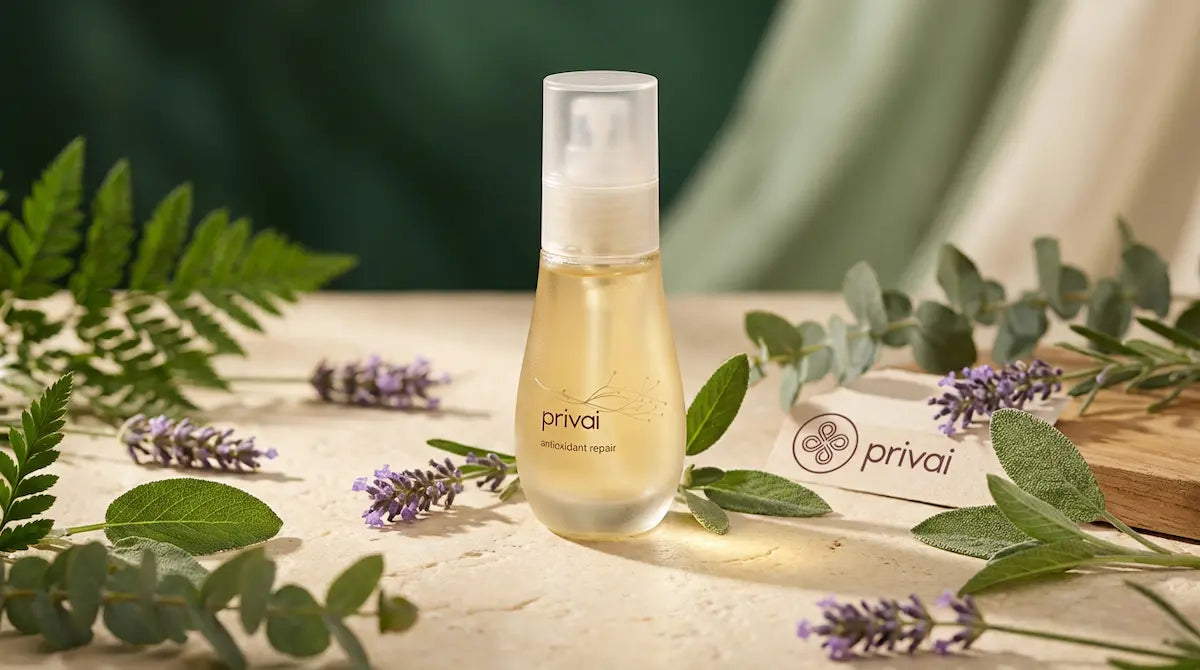
Anti-Aging Face & Body Oil
Best for
A dedicated neck and décolletage step. Massage a few drops of the Anti-Aging Face & Body Oil downward to seal in hydration.
Gentle exfoliation
Light exfoliation smooths crepey texture and helps treatments absorb, but the neck is easy to over-do. Keep it gentle and infrequent. Our guide to how to dry brush explains a low-cost way to do this on the body and chest safely.
In-office options for deeper lines
For set-in creases, dermatologists offer treatments such as lasers, radiofrequency, microneedling, and, for some lines, injectables. A board-certified dermatologist can tell you which, if any, suits your skin and what results to expect.
A Neck and Décolletage Routine That Targets Wrinkles
The most effective routine is simple and consistent: cleanse, apply a peptide treatment, layer a rich moisturizer suited to your skin type, finish with the Anti-Aging Face & Body Oil on the neck and chest, and protect with sun care every morning. For a full breakdown of how to choose between the moisturizers and layer them in order, see our guide to the best neck and décolletage creams. If loose or sagging skin is more of your concern than lines, our companion guide on how to tighten neck skin covers firming specifically.
Realistic Expectations and Timeline
Hydration improves the look of fine lines almost right away. Texture and the appearance of deeper lines change slowly, over roughly eight to twelve weeks of consistent use, because you are working with the skin's natural renewal. Prevention protects that progress, which is why sun protection and a daily routine matter more than any one product. For the broader picture of décolletage care, our pillar guide, do not forget your décolletage, ties it all together.
Frequently Asked Questions
What causes neck and chest wrinkles?
Thin skin with fewer oil glands, cumulative sun exposure, and repeated folding from looking down at devices and sleeping on your side. Because the area is rarely protected, it shows these lines earlier than the face.
Can you get rid of neck wrinkles completely?
You can soften them and prevent new ones, but topical care rarely erases established lines entirely. Fine lines and crepey texture respond well to consistent care, while deeper, set-in creases may need an in-office treatment.
How do I prevent sleep wrinkles on my chest?
Sleeping on your back reduces the nightly folding that creates vertical chest creases. Combining that with daily hydration and sun protection is the most effective prevention.
Does sunscreen help neck and chest wrinkles?
Yes. Because ultraviolet exposure is the main driver of premature wrinkling, applying sun protection to the neck and chest every day is the most effective single step you can take, both to prevent new lines and to protect the results of your other products.
What is the best treatment for décolletage wrinkles?
A combination works best: a peptide or retinoid treatment, rich hydration, gentle exfoliation, and daily sun protection. For specific product guidance, see our guide to the best neck and décolletage creams.
At what age do neck and chest wrinkles start?
Many people notice them in their thirties and forties, though sun-exposed skin can show them earlier. Starting prevention before lines appear is far easier than treating them later.
Start Caring for Your Neck and Décolletage
Browse our fine lines and wrinkles collection or our best sellers to build the routine above. Want to try Privai in person? See where to buy Privai, including our partner spas.
Not sure where to start for your skin? Call our team at (828) 575-2433 or email info@privai.com.
Written by the Privai team and reviewed for accuracy against guidance from the American Academy of Dermatology and Cleveland Clinic. Privai has formulated spa-grade botanical skincare for professional treatment rooms for two decades. This article is educational and is not a substitute for personalized advice from a licensed medical professional. Published June 14, 2026.